

Let’s be real — most people book their Bali ATV slot based on whatever time is still available, or whatever fits the gap between their spa appointment and sunset dinner. Totally understandable. But here’s what most travelers don’t realize until they’re halfway through a muddy jungle track: the time of day you ride changes almost everything about the experience.
The best time of day for Bali ATV isn’t a one-size-fits-all answer. It depends on the season you’re visiting, how you handle heat, whether you actually enjoy maximum mud or prefer a drier track, and honestly — how much you care about getting good photos. This guide breaks down the Bali ATV morning or afternoon debate with the kind of granular detail the booking platforms never bother to give you, including smart strategies based on Bali ATV weather patterns and how to avoid rain on your Bali ATV day. Let’s get into it.
Understanding Bali’s Daily Weather Rhythm
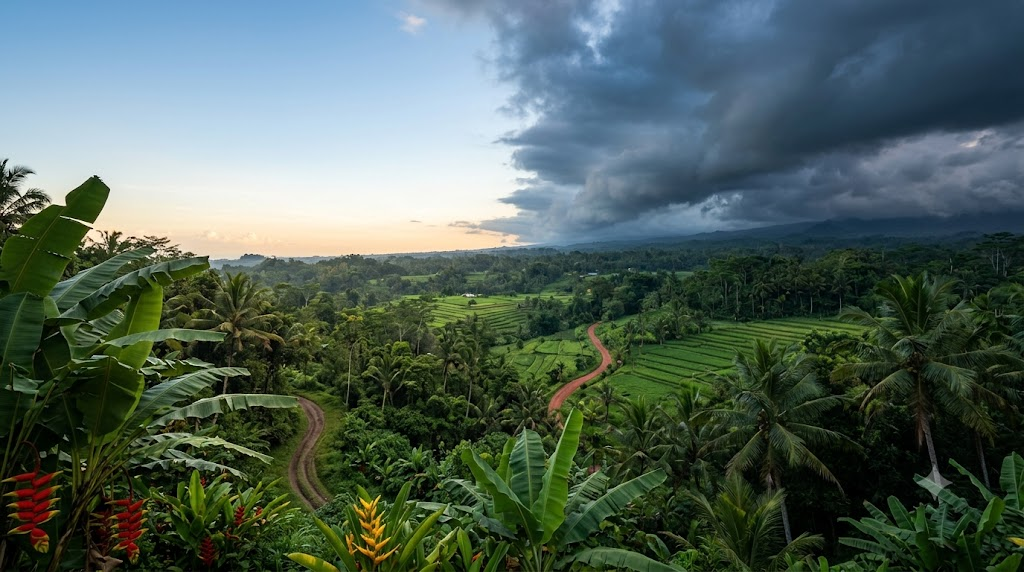
Before you can choose your slot wisely, you need to understand how Bali’s climate actually behaves throughout the day — because it follows a remarkably consistent pattern that directly shapes your ATV experience.
The Tropical Heat Curve
Bali sits roughly 8 degrees south of the equator, which means it runs on a tropical climate with very little temperature variation between seasons — but massive variation between morning and afternoon within a single day. Temperatures in the Ubud and Gianyar areas — where most ATV tracks are located — typically hover around 24–26°C in the early morning, climbing to 30–34°C by midday, and staying elevated through the mid-afternoon before dropping again after 4pm.
That heat curve matters enormously when you’re doing physical activity. Riding an ATV isn’t passive — you’re gripping, steering, and absorbing track vibration for 1.5 to 2+ hours. Add tropical humidity (typically 75–85% in the inland jungle zones) and full sun exposure, and an afternoon slot can feel significantly more taxing than an identical ride taken six hours earlier.
Bali ATV Weather: The Rain Pattern
This is the critical variable most booking guides completely ignore. Bali’s rainfall is not random — it follows a daily convective cycle that’s remarkably predictable, especially during the wet season (November through March).
Here’s how it typically plays out:
- Morning (6am–11am): Generally clear to partly cloudy. Overnight moisture has settled, temperatures are rising, and convective storm development hasn’t kicked in yet.
- Late morning to midday (11am–1pm): Cloud buildup begins over the inland highlands — Ubud, Kintamani, Bedugul. Humidity rises noticeably.
- Afternoon (1pm–5pm): This is the peak thunderstorm window. Convective rainfall — fast, heavy, and intense — hits inland areas regularly during the wet season, and with less frequency but still meaningfully during the shoulder months.
- Evening (5pm onward): Rain often clears, but track conditions remain wet and visibility on jungle trails can be limited.
For your ATV ride, that rain pattern is everything.
Morning ATV in Bali: The Real Pros and Cons
Morning slots — typically 8am, 9am, or 10am — are the most popular among experienced Bali travelers for good reason. But “popular” doesn’t automatically mean “right for everyone.”
The Case for Going Early
Cooler temperatures and manageable humidity are the headline benefits, but they’re backed by real physiological logic. A 25°C ride with a light jungle breeze feels like a genuine adventure. The same track at 32°C with full sun and high humidity starts feeling like a test of endurance about 45 minutes in. For families, older travelers, or anyone not accustomed to tropical heat, the morning slot can be the difference between an epic memory and a genuinely uncomfortable experience.
Drier track conditions are the other major win. Overnight moisture levels out by dawn, and without afternoon rainfall, morning tracks tend to be firmer underfoot — particularly relevant on the steep descent sections and river approach zones where loose, waterlogged mud significantly increases slide risk. This doesn’t mean morning tracks are dry (Bali jungle soil retains moisture well), but the degree of mud is meaningfully lower compared to tracks ridden after an afternoon downpour.
Better light for photography is underrated as a decision factor, but it matters. Soft diffused morning light and the occasional shaft of golden rays through the jungle canopy produces spectacular photos and video. The harsh overhead light of the midday sun creates unflattering shadows and washes out the rich green tones that make Bali jungle photography so iconic.
Fewer crowds on the track is another consistent advantage. Many tour operators stagger departure times in 15–30 minute intervals to avoid track congestion, but the earliest morning departures tend to have the smallest groups — which means less waiting at technical sections and a more immersive, natural experience.
The Morning Downsides
Logistics can be tough. An 8am ATV start in Ubud might mean a 6:30am departure from Seminyak or Kuta — and many first-time Bali visitors haven’t adjusted to the time zone yet, or simply didn’t plan their accommodation with early activity starts in mind.
Morning mist in certain seasons can reduce visibility on elevated track sections during the wet season, particularly in December and January. This isn’t dangerous per se, but it’s worth knowing.
Afternoon ATV in Bali: Where It Works and Where It Doesn’t
Afternoon slots — typically 1pm, 2pm, or 3pm — have a reputation as the “second choice” option, but that’s not entirely fair. There are specific scenarios where an afternoon ride genuinely makes sense.
When Afternoon ATV Actually Works
Dry season riding (April through October) changes the calculus significantly. During Bali’s dry season, afternoon rainfall is infrequent and typically brief even when it does occur. Temperatures remain high, but the track conditions are reliably good, and the afternoon light from around 3pm onward starts producing beautiful warm-toned photography conditions as the sun drops toward the treeline.
The “mud experience” seekers — and there are plenty of them — actually prefer afternoon tracks during the shoulder season for exactly the reason other travelers avoid them: maximum mud. A post-rain jungle track turns the ATV experience into a full-on mud bath adventure that some riders find far more thrilling and memorable than a cleaner morning run.
Accommodation logistics sometimes make afternoon the only practical option. If you’re on a dive trip in Amed, arriving late into Ubud after a morning transfer, or combining ATV with a morning cooking class in the same day, an afternoon slot may simply be what works — and in the dry season, it’s perfectly fine.
The Afternoon Risks You Need to Know
Rain is the primary threat during wet season. Operators generally do not cancel rides due to light rain — and most riders actually enjoy riding through light tropical drizzle. The problem is heavy convective rainfall, which turns steep track sections into slip-and-slide hazards and river crossings into genuinely risky zones. Reputable operators will pause or reroute in heavy rain, but not all operators apply this consistently.
Heat exhaustion risk is real for unacclimatized travelers in 1–3pm slots. This isn’t fearmongering — it’s physiology. Make sure you arrive hydrated, avoid alcohol the morning before, and bring a refillable water bottle if your operator allows it mid-ride.
Afternoon crowds at popular Ubud-area tracks tend to be higher, as many day-trippers from the south combine ATV with a Kecak fire dance or sunset at Tanah Lot in the same afternoon program — all clustering into the 1–3pm departure window.
Morning vs. Afternoon: Side-by-Side Comparison
| Factor | Morning (8am–11am) | Afternoon (1pm–4pm) |
|---|---|---|
| Temperature | 24–27°C — comfortable | 30–34°C — hot, demanding |
| Rain risk (wet season) | Low | High (peak convective window) |
| Rain risk (dry season) | Very low | Low to moderate |
| Track conditions | Firmer, less mud | Muddier, especially post-rain |
| Photography quality | Soft golden light, excellent | Harsh midday, better after 3pm |
| Crowd levels | Lower | Higher |
| Logistics | Earlier departure required | More flexible scheduling |
| Best for | Families, first-timers, photographers | Dry season thrill-seekers, mud lovers |
Booking Strategy by Season
Knowing which slot to book becomes much clearer once you factor in Bali’s two distinct seasons.
Wet Season (November–March): Always Choose Morning
During the wet season, the morning slot is non-negotiable if you want to maximize the chance of an uninterrupted, safe ride. Book the earliest available departure — 8am if possible. By the time you finish your 2-hour ride and shower off, the afternoon storm cells are just beginning to build. You’ll be dry, fed, and already comparing mud photos over lunch while other travelers are watching their 2pm departure get delayed on the track.
The wet season morning also delivers arguably the most visually stunning ATV conditions of the year: the overnight rain refreshes the jungle foliage to an almost surreal electric green, morning mist clings to the valley floors, and the light through the canopy is soft, diffused, and absolutely beautiful for photography and video.
Dry Season (April–October): Morning Still Wins, But Afternoon Is Viable
In the dry season, the weather risk largely evaporates, making both slots genuinely workable. That said, morning still wins on comfort and photography. The heat advantage alone — 6–8°C cooler than peak afternoon — makes the morning slot superior for most travelers, especially families with children and anyone doing extended track packages of 3+ hours.
Afternoon becomes a legitimate choice in the dry season if your schedule demands it, or if you’re specifically chasing that maximum-mud experience on a red soil jungle track — some dry season afternoons still deliver excellent mud conditions from brief morning showers that clear before noon.
Shoulder Season (October–November and March–April): Watch the Forecast
The shoulder periods are trickier because the weather is transitional — some days behave like full dry season, others deliver wet season-style afternoon downpours with no warning. During these windows, always book morning as your primary strategy, and specifically choose an operator that has a transparent rain-delay policy — meaning they pause the ride, shelter riders, and resume rather than canceling outright.
Advanced Tips for Timing Your Bali ATV Right
Book 48–72 Hours in Advance, Not Months Out
Unlike temple visits or cooking classes, ATV slot availability in Bali is genuinely flexible. Most operators run multiple daily departures and rarely fill to capacity outside of peak weeks (Christmas, New Year, and mid-July to mid-August). Booking too far in advance locks you into a time slot before you know your actual day’s schedule. Book 2–3 days out when you have a clearer picture of your itinerary.
Always Ask One Question Before Booking
Call or message the operator and ask: “What is your policy if it rains heavily during the ride?” The answer immediately tells you the quality tier of the operator. A good operator will explain their shelter protocol, guide communication system, and whether they offer rescheduling. An operator who says “it’s fine, we ride anyway” in rainy season without qualification is telling you something important.
The 3pm Sweet Spot in Dry Season
If afternoon is your only option in the dry season, the 3pm slot is the strategic choice. It avoids peak midday heat, the light starts getting photographically golden from around 3:30pm onward, and most convective rain events (on the rare occasions they occur in dry season) tend to pass through by early afternoon. You’ll finish around 5pm as the jungle cools and the light turns amber — arguably the most beautiful riding conditions of the day.
Combine Your ATV With a Smart Day Plan
A well-structured Bali adventure day might look like: 7am breakfast at your villa → 8am ATV departure (back by 10:30am) → shower and quick rest → 12pm Ubud Market and lunch → 2pm Tegallalang rice terrace walk (gentle, shaded, ideal for all fitness levels) → 5pm sunset drinks at a jungle-view café. That structure lets your ATV ride occupy the optimal morning window while filling the rest of your day with perfectly complementary, lower-intensity experiences.
Common Mistakes to Avoid
| Mistake | Why It Hurts | What to Do Instead |
|---|---|---|
| Booking afternoon in wet season without checking rain policies | High chance of delay, dangerous track conditions | Always book morning Nov–March |
| Skipping breakfast before an early ride | Low blood sugar + heat + physical exertion = bad time | Eat a solid breakfast 60–90 min before departure |
| Wearing shorts and sandals to a morning ride | Exposed skin in cool morning mud leads to irritation and minor injury | Long pants, closed shoes, bring a dry change of clothes |
| Choosing operator based on price, not schedule flexibility | Cheap operators often have rigid no-reschedule policies | Ask about rain postponement before paying |
| Not checking sunrise/weather apps the night before | Easy 5-minute habit that can save your whole day plan | Check Windy.com for Ubud-specific afternoon storm forecasts |
FAQ — Frequently Asked Questions
What is the best time of day for Bali ATV during wet season?
Morning, without question. Book the 8am or 9am slot during November through March. This gives you the maximum weather buffer before the afternoon convective rain cycle kicks in. Wet season mornings in Bali are often clear, lush, and absolutely gorgeous for riding — the overnight rain refreshes the jungle to vivid greens and morning mist adds atmosphere without weather risk.
Does rain make ATV more dangerous or just more fun?
Both, depending on intensity. Light tropical drizzle during a ride is genuinely fun — it cools the temperature, adds drama to the track, and makes for excellent action photos. Heavy sustained rainfall is a different matter: steep descents become significantly more slippery, river crossing depths can increase rapidly, and visibility on jungle sections drops. Good operators distinguish between these conditions and adjust accordingly. Ask your operator specifically how they handle heavy rain before you book.
Is the morning slot significantly more expensive than afternoon?
In most cases, no — the difference is minimal or non-existent at standard operators. Premium operators occasionally charge a small early-departure supplement, but it’s rarely more than 5–10% of the package price. The value differential between a smooth morning ride and a rain-disrupted afternoon ride far outweighs any marginal price difference.
How early should I arrive before my ATV slot?
Most operators request arrival 15–20 minutes before your scheduled departure for gear fitting, safety briefing, and waiver signing. For morning 8am slots, this means arriving by 7:40–7:45am. Factor your hotel-to-operator transfer time carefully — Ubud traffic, even in the morning, can be unpredictable. Allow an extra 15-minute buffer beyond your calculated transfer time.
Can I reschedule if it rains on my booked morning?
Policies vary significantly by operator. Quality operators offer same-day reschedule to the next available slot or a full credit for a future date. Budget operators often have rigid no-refund, no-reschedule terms. This is one of the most important questions to ask before paying — confirm the rain policy in writing via WhatsApp or email so you have documentation.
Read also:
- Best Bali ATV Ride: Ultimate 2026 Guide & Top Tracks
- What to Wear for a Bali ATV Ride: Packing & Preparation Tips
Conclusion
The best time of day for Bali ATV isn’t a secret — it’s morning, backed by real logic around temperature, weather patterns, track conditions, and photography quality. But the smartest timing decision layered on top of that? Adjusting your slot strategy to the specific season you’re traveling in. Morning in wet season is non-negotiable. Morning in dry season is optimal but afternoon is workable. And no matter when you ride, booking with an operator who has a clear rain policy separates a great experience from a gambled one.
Bali rewards the prepared traveler — and so does Bali Vouchers. Secure your Bali experience with easy and safe online payments at Bali Vouchers. Fast, secure, and hassle-free — just a few clicks to unlock your adventure!
Had a morning or afternoon ATV experience in Bali? Drop your story in the comments — I’d love to know which slot you’d book again.
Tags: Travel Planning, Best Time to Visit, ATV Tips, Bali ATV, Weather Guide, Bali Travel Tips, Morning Activities Bali, Wet Season Bali, Dry Season Bali, Adventure Travel